
By Clinton Martin
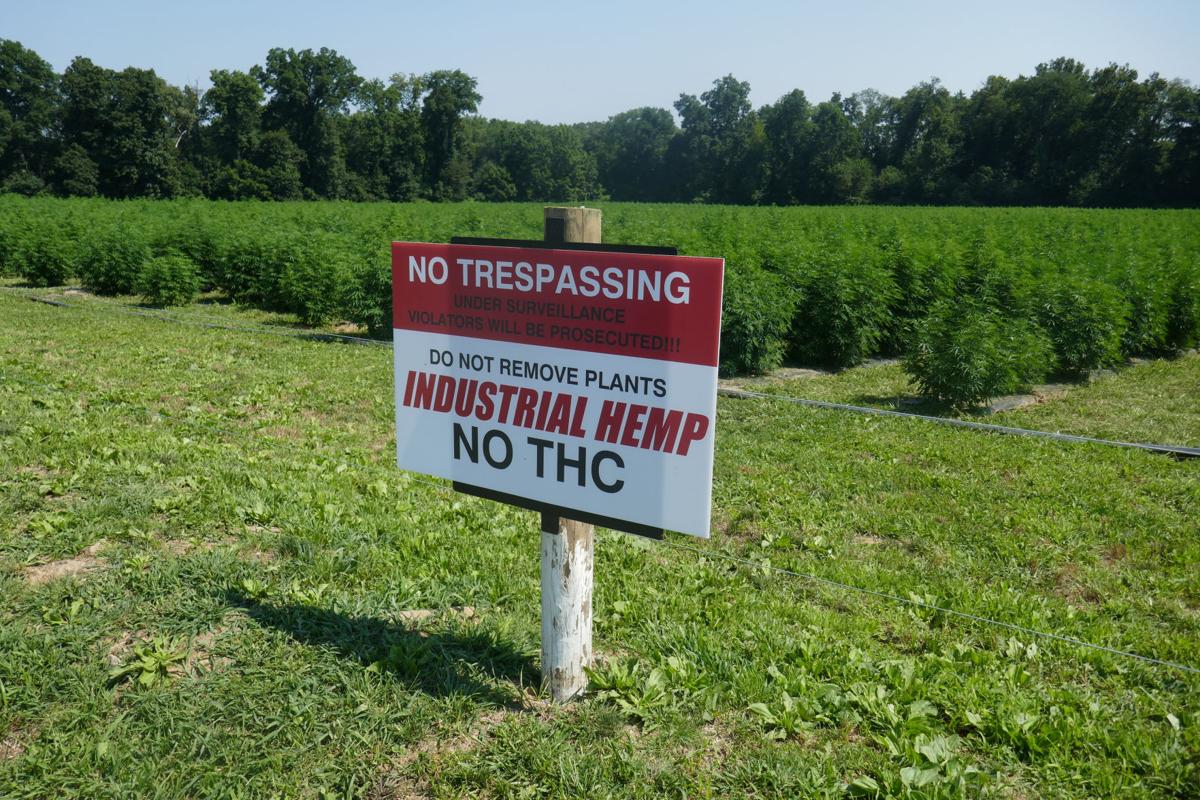
The 2018 Farm Bill changed the classification of hemp in such a way that, after 81 years of being banned, farming the crop was once again allowed. This jumpstarted a new industry, with many farmers – especially locally in Lancaster County – rushing to cultivate the crop. Historically, the crop was very important to Lancaster County. Townships, school districts, and more are named after Hemp here.
Hemp can be processed for use in food, fuel, fiber, grain, and even building materials, but what most people think of is the medicinal and supplemental CBD uses, such as oils, salves, beverages, and edibles. Technically, the concentration of THC (the compound in the plant that gets people high) is very low (with the legal threshold being 0.3%)
By 2021, some of the excitement around hemp had begun to wane. The initial excitement that this crop might “save” Lancaster County farms had cooled. Farmers found it difficult to process the hemp they grew. There were few companies locally that could turn the crop into the various products. The market was saturated with raw material, but the manufacturing end was lacking.
Additionally, as time went on, local authorities began to suspect that many retailers selling CBD and other hemp products were selling black-market marijuana, fraudulently labeled as hemp. During a 10-month undercover investigation, they made purchases of hemp products at various area retailers and lab-tested them for THC concentration. 90% of the products tested much, much higher than labeled, and were indeed essentially illegal weed labeled as legal hemp.
Some of these retailers were clearly selling the products to children, further complicating the issue. Many people decried the “loophole” in the 2018 Farm Bill, asking for it to be closed. Senator Mitch McConnell authored language banning most hemp products, folded into the federal spending package that ended the government shutdown of 2025. Some representatives from both sides of the aisle attempted to have the language removed, but they were not successful. The package was signed into law by President Donald Trump on November 12, 2025.
The ban on hemp products takes effect November of 2026. All products containing more than 0.4 milligrams of THC will be henceforth illegal, which essentially spells the end of Hemp. While there were some Amish farmers who began growing hemp after the 2018 Farm Bill, most had stopped well before the controversy developed, simply due to the lackluster economic performance of the crop.